Framer vs Claude Code: Edit a website visually or engineer it in a repository?
Claude Code is a coding agent that works with a local codebase and development tools. Framer is a hosted website platform with a visual canvas, CMS, SEO controls, and publishing. They can complement each other, but they are not substitutes when the team needs direct non-code ownership of the site.












Framer vs Claude Code across editing, engineering, and publishing
Decision factor | Framer | Claude Code | How to read the difference |
|---|---|---|---|
Product type | Visual website platform | Agentic coding tool | One operates a site; the other operates on code |
Working surface | Rendered canvas and CMS | Terminal, IDE, and repository | Framer is accessible to non-developer site owners |
Best tasks | Page design, content, SEO, and publishing | Implementation, debugging, tests, and refactors | Task boundaries are clearer than a feature checklist |
Review | Website branches and visual staging | Source-control diff and development preview | Framer centers visual approval |
Delivery | Hosting and production publishing included | Uses the project’s chosen build and deployment stack | Claude Code leaves infrastructure decisions open |
Best fit | Marketing and design teams operating a site | Developers maintaining software | The tools can work together instead of replacing each other |
Framer website plans vs Claude Code access and model usage
Pricing question | Framer | Claude Code | Planning note |
|---|---|---|---|
What is purchased | A hosted website plan | Access through eligible Claude subscriptions or usage arrangements | One price covers a site; the other covers an agent |
Usage driver | Pages, CMS, editors, locales, and bandwidth | Model access, limits, and coding workload | The units are not directly comparable |
Infrastructure | Hosting, CDN, SSL, and publishing are part of Framer | The codebase keeps its own hosting and deployment costs | Include the software stack Claude Code works on |
Team budget | Price the people operating the website | Price the developers using the coding agent | Budget follows the team responsible for each layer |
Choose Framer when routine website work should not be an engineering task


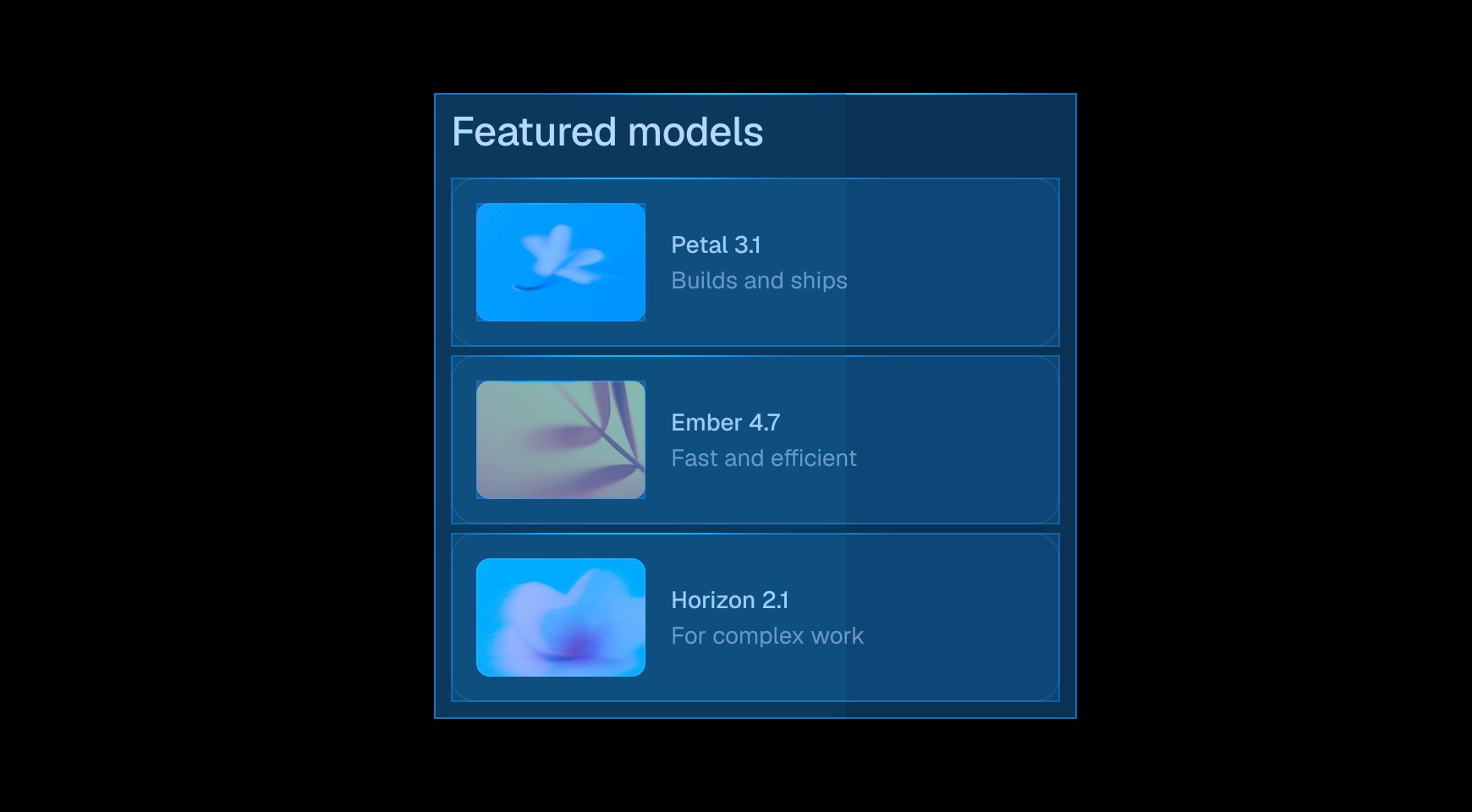

Designers and marketers can select what they see, change it, and inspect responsive behavior without translating each request into files and framework conventions.




CMS editors can publish new records and update existing pages without opening a terminal, running a build, or waiting for a pull request.

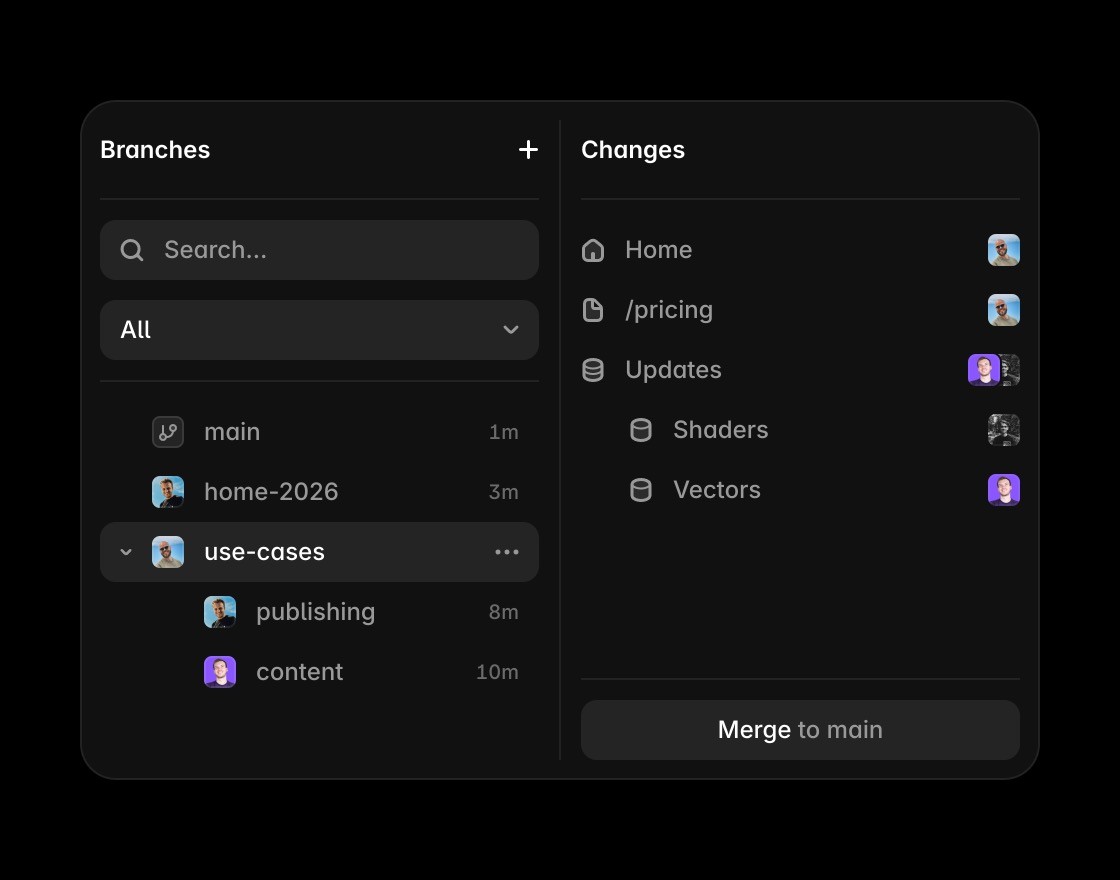
Branches, staging, managed hosting, domains, and redirects form one release path where teams can review the public site before publishing.


Claude Code is better suited to repository-wide refactors, tests, backend logic, framework upgrades, and custom systems where source code is the primary asset.
Build AI websites without code loops
Framer Agents work on actual site pages while keeping AI changes editable on the canvas instead of only in code.
This comparison fits External Agents because Codex, Claude Code, Cursor, and similar tools can connect to Framer workflows.
Use the canvas when generated code or UI needs visual refinement, responsive layout control, and team editing.
Framer CMS is useful when Claude Code output needs to become landing pages, comparisons, or content hubs teams can manage.
Framer keeps metadata, headings, FAQs, and answer-ready copy in the same workflow used to edit the page.
Framer turns AI-assisted website work into a hosted, publishable update without staying in a code deployment loop.
The practical verdict on Framer vs Claude Code






Compare Framer with other tools














Frequently asked questions
What is the main difference between Framer and Claude Code?
Claude Code is a coding agent that works with a local codebase and development tools. Framer is a hosted website platform with a visual canvas, CMS, SEO controls, and publishing. They can complement each other, but they are not substitutes when the team needs direct non-code ownership of the site.
Who should choose Framer over Claude Code?
Framer is the operating environment for a design-led website. Claude Code is an engineering collaborator for a codebase. Use each at the layer it controls best. Designers and marketers can select what they see, change it, and inspect responsive behavior without translating each request into files and framework conventions.
When is Claude Code the better choice?
Claude Code is better suited to repository-wide refactors, tests, backend logic, framework upgrades, and custom systems where source code is the primary asset.
How does the editing workflow differ from Claude Code?
Review the visual result, not only a diff. Stakeholders can judge a branch in the context of the complete page and its responsive variants. Framer handles delivery while the team focuses on the change visitors will see.
How should a team compare Framer and Claude Code pricing?
Framer charges for the hosted website and its capacity. Claude Code access and limits cover agentic engineering work, while the repository still carries its own hosting and infrastructure costs.
Can Framer and Claude Code be used together?
Claude Code can work on custom components, integrations, or adjacent repositories while Framer remains the site's visual source of truth. The tools complement each other when code changes have a clear review and deployment path.
